
Texas Judge Blocks SEC Ban on Pro Athletes Returning to College: What It Means
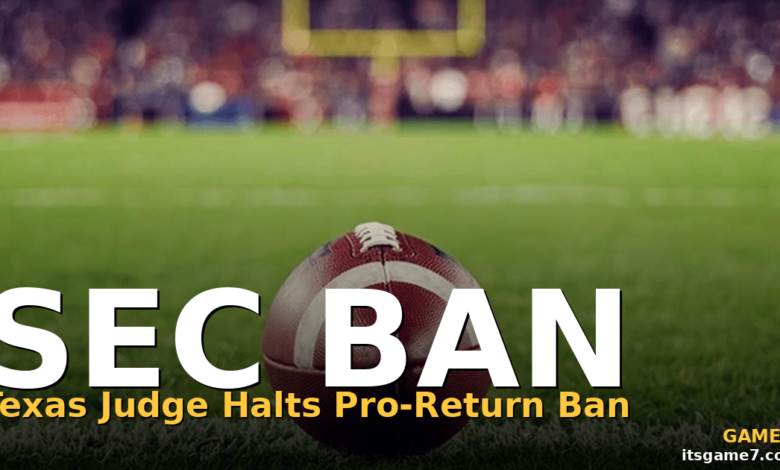
A Dallas County judge just blew up the SEC’s plan to keep pro athletes out of college football.
District Judge Martin Hoffman signed a temporary restraining order on Thursday that bars the NCAA, the SEC, and commissioner Greg Sankey from blocking 41 athletes from returning to college sports for the 2026-27 season. The list includes Cowboys receiver Jordan Hudson, Chiefs linebacker Wesley Bissainthe, and Chiefs receiver Omari Evans, all currently on NFL rosters. Two WNBA-contracted athletes, Christeen Iwuala and Bailey Maupin, are also named.
This is the first ruling to restrain a Power conference after the SEC and other Power leagues banned schools from using athletes who previously signed pro contracts. The SEC punishment was severe: a half-season coach suspension and a fine equal to 50 percent of the sport’s operating budget. Fifteen of 16 SEC schools supported the sanctions. Only LSU abstained. That was a hint.
Hoffman’s ruling is simple in its logic. The plaintiffs have already competed four seasons. If they would have been eligible next semester with a fifth year, they are eligible today. The eligibility rules cannot be used to keep them out.
The order lasts 14 days, with a hearing set for September 11. The NCAA must open the transfer portal for one week for this group of athletes. That is a wild sentence to type in late August, but here we are.
The bigger picture is that college football’s legal structure is crumbling in real time. NIL forced one round of chaos. Now the courts are forcing another. The SEC tried to draw a hard line and got told to sit down.
Lane Kiffin at LSU has already been the loudest voice about wanting to bring NFL-camp guys back. The Tigers reportedly have been pursuing players who were released from training camps. LSU abstaining from the SEC vote makes a lot more sense in retrospect.
The question nobody has a clean answer to: will schools actually roster these players while the ban is legally contested? Coaches do not want to lose eligibility for the next four years over a temporary win. But if the ban keeps getting struck down in court, some team will decide the reward outweighs the risk.
Sankey and the SEC have some choices to make. Fight this to the Supreme Court, or accept that trying to be the last line of amateurism in a professionalized sport is a losing hand. Every court so far has ruled the same way. The lawyers keep winning. The rulebook keeps losing.
The Wild West era of college football is not over. It is getting weirder.
A longtime sports reporter, Carlos Garcia has written about some of the biggest and most notable athletic events of the last 5 years. He has been credentialed to cover MLS, NBA and MLB games all over the United States. His work has been published on Fox Sports, Bleacher Report, AOL and the Washington Post.
